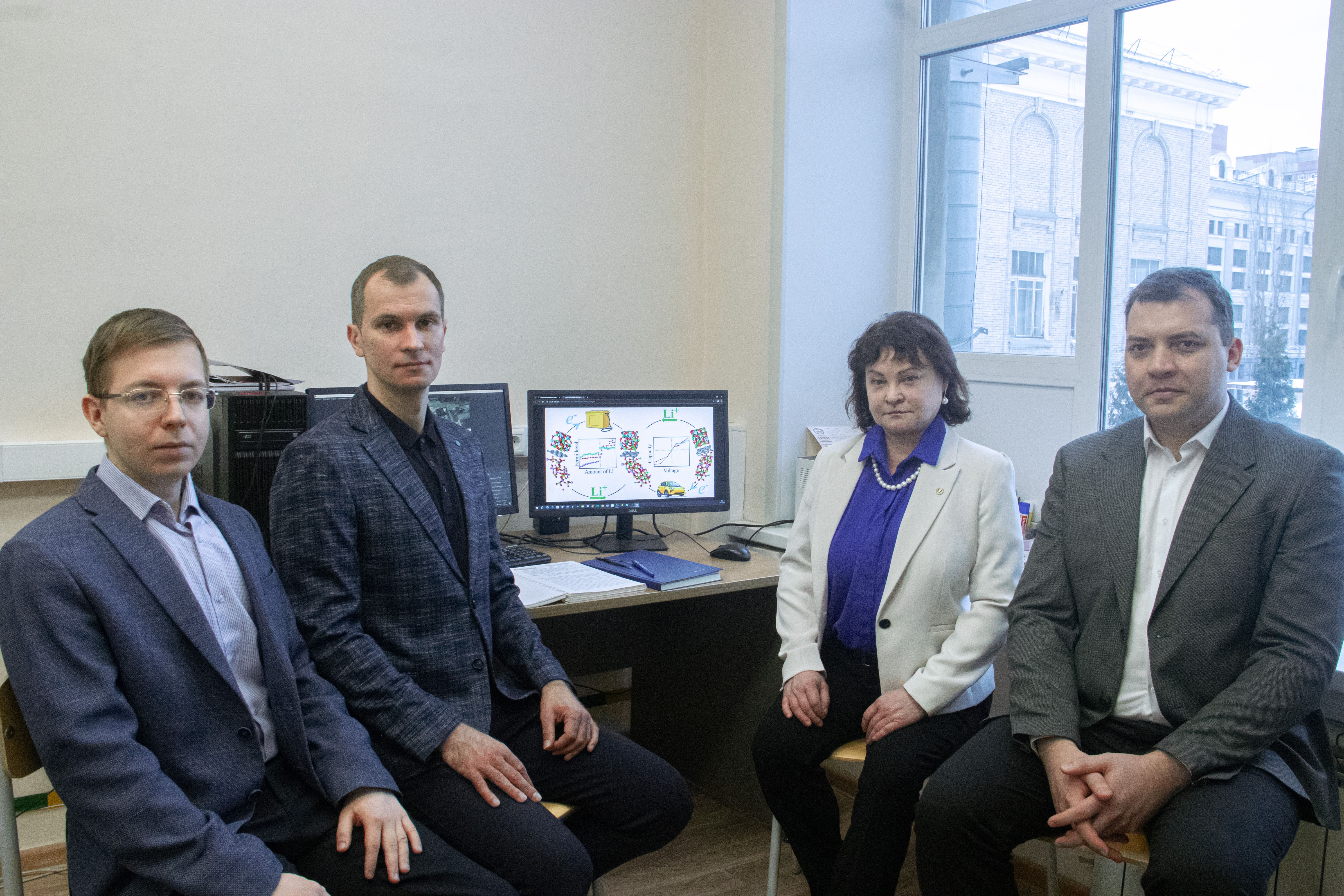
Scientists at Saratov National Research State University named after N.G. Chernyshevsky have found a way that can change the way batteries work. The atomic model of a three-layer quasi-2D film based on graphene and lithium oxide–phosphate compounds created by them can become the basis for a new generation of batteries - faster, more durable and safer.
The researchers studied an LVP/graphene/LTO architecture composite, a thin "energy sandwich" with vanadium-lithium phosphate on top, lithium titanate on the bottom, and a strong conductive graphene layer between them. This three-layer film has demonstrated a rare combination of properties: it is able to hold a large amount of energy and quickly release it to an external load, combining the advantages of lithium-ion batteries and supercapacitors.
A new method developed by the authors themselves for calculating quantum capacitance, a key parameter for accurate prediction of future characteristics, allowed us to obtain such complex data. It takes into account how the quantum capacity changes as the number of lithium atoms in the structure changes.